
I still remember my first Gimkit like it was yesterday.
It was March 2020, the third day of emergency remote teaching, and I was desperate. My 10th graders had already figured out how to mute me on Zoom and play Fortnite in the background. I typed “fun review games” into Google, saw Gimkit, made an account, and thirty-seven minutes later, I had thirty-two kids screaming at their laptops because someone had just spent 8 million in-game dollars on a “betray your teammate” power-up.
I was hooked. They were hooked. The assistant principal emailed me asking what drug I had slipped into the curriculum.
That was the moment I realized Gimkit isn’t just another Kahoot clone; it’s the closest thing education has to a legitimate video-game loot system, and teenagers will sell their souls for fake money.
Here’s everything I wish someone had told me when I was a total beginner, laid out the way I actually learned it: through spectacular failures, happy accidents, and a lot of 14-year-olds roasting my terrible kits.
Step 1: Don’t Overthink the Sign-Up (30 seconds, seriously)
Use your Google account. Done.
If your school uses Clever or Classlink, it’ll sync rosters automatically later. Don’t worry about that yet.
Step 2: Play a Public Kit Before You Ever Make Your Own
This is the single biggest piece of advice I give new teachers.
Search “Algebra 1 Review – All Units” by KitCollab (it has like 1.5 million plays now). Click “Play Live.” Choose Classic mode. Watch what happens.
You’ll see the loop immediately:
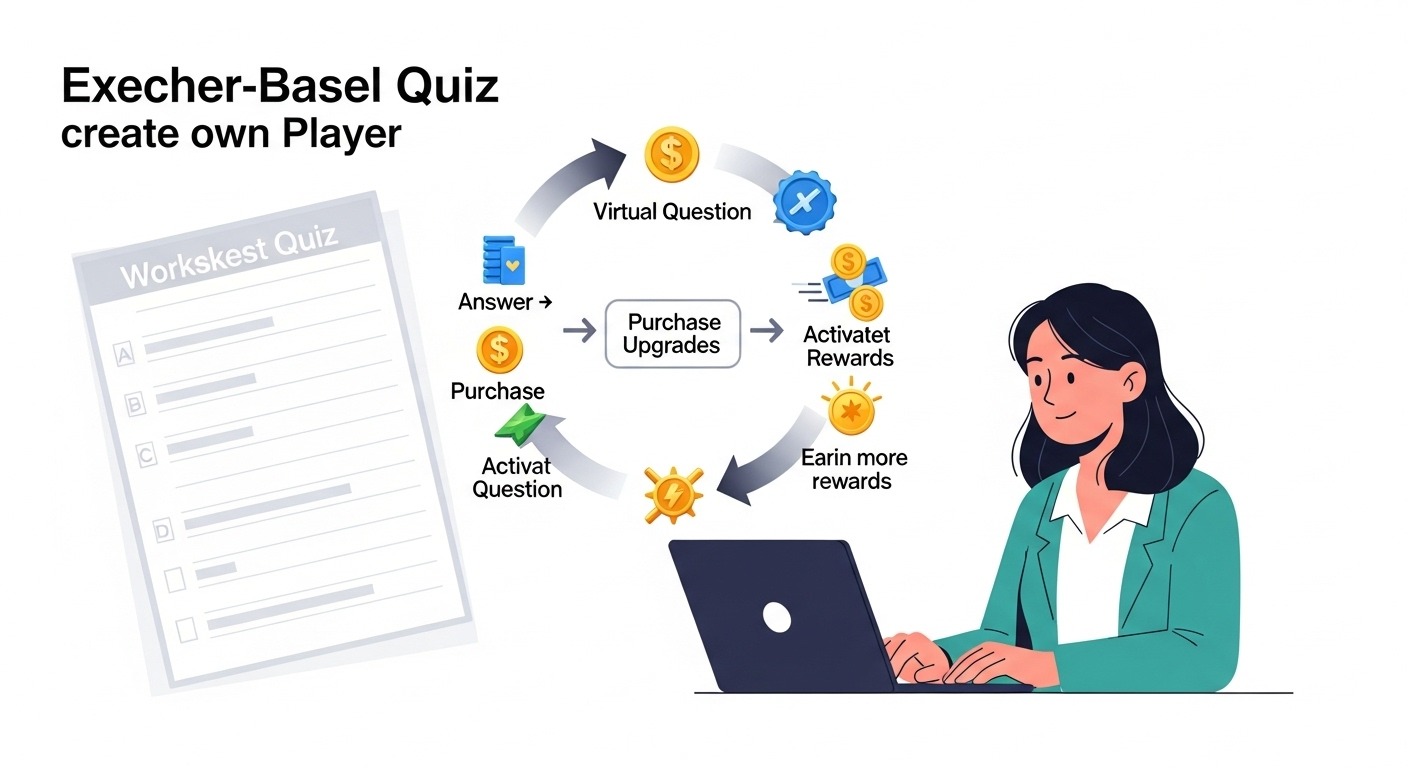
Answer → earn cash → buy power-ups → streak multiplier → more cash → dopamine → repeat.
Until you’ve felt that loop as a player, you’ll build questions like a worksheet instead of like a game. Huge mistake.
Step 3: Your First Kit – Keep It Stupid Simple (Do This Tonight)
- Click “Create” → New Kit.
- Title it literally anything (mine was “Mr. Davis is learning, please be nice”)
- Add exactly 12 questions. Not 50. Twelve.
Why 12? Because a 30-minute game with 12 questions recycled multiple times feels richer than 80 questions that each show up once and then vanish forever. - Make every question worth the default $10 and take 15–20 seconds to answer.
- Use exactly one image question (just to see how it works).
- Save it.
Play it with your class tomorrow in Classic mode. That’s it.
You will mess something up. The kids will tell you exactly what felt unfair or boring. Fix it that night. You’re now better than 80% of teachers on their tenth kit.
The Modes – Ranked by How Much My Students Beg For Them
- Classic – Still the king for actual learning. Money + power-ups = magic.
- Trust No One (Among Us mode) – Pure chaos, zero off-task behavior, 10/10 for the day before break.
- Boss Battle – Perfect for test prep when you want them scared of the content.
- Humans vs. Zombies – Great for vocabulary; zombies spread when someone gets it wrong.
- Floor Is Lava – Friday reward only. Do not attempt on a Monday.
- Draw That – Only if you teach art, chemistry (Lewis structures), or are feeling brave.
Start with Classic. Stay there for the first month.
Power-Ups: The Real Reason Kids Care
Here’s what I learned the hard way: teenagers will tank their accuracy from 94% to 61% if it means they can buy “2x multiplier for 30 seconds” at the right moment. That’s fine. The dopamine hit keeps them in flow state longer than any perfect-score prize ever could.
My current pricing (works for every subject I’ve tried):
- Streak Bonus – $500 (cheap, encourages speed)
- 2x Multiplier – $2,500 (the crack cocaine of Gimkit)
- Insurance – $1,200 (kids buy this religiously before a hard question)
- Freeze – $4,000 (pure evil, pure joy)
- Betray – $8,000 in Trust No One only (worth every penny)
Leave everything else turned off for beginners. Too many options paralyze them.
The Biggest Beginner Mistakes I Made (So You Don’t Have To)
- Writing 80-question kits
Kids see the same question once and never again. Boring. Make 20 great questions instead. - Making every question worth $5
They run out of things to buy by minute 12 and check out. - Using “correct answer required to continue” in homework mode
One impossible question bricks the entire assignment for half the class. Use time-based homework instead. - Forgetting to turn on “Show correct answer after question.”
Without this, wrong answers just feel punitive instead of instructional. - Playing with laptops on a Monday morning
Battery dies + Wi-Fi lags + puberty = disaster. Friday afternoon or nothing.
Homework Mode – The Feature That Saved My Sanity
Assign kits as homework → set a due date → require a minimum cash earned (not accuracy).
My rule: $250,000 cash by Sunday night, or you redo it.
Average accuracy still ends up around 88% because they replay until they can buy the good power-ups. I literally never grade another worksheet for vocabulary or formulas.
Pro tip: Turn on “Late submissions allowed” but drop the cash goal by 15% each day it’s late. Kids suddenly remember due dates.
How to Not Get Overwhelmed by the Library
The search is terrible. Accept it.
Instead, bookmark these creators and never look back:
- KitCollab (math god)
- BioWithBri (AP Bio queen)
- HistoryWithHamm (APUSH legend)
- ProfePerez (Spanish unicorn)
- GimKitMaster (SAT/ACT wizard)
Their stuff is better than anything you’ll make in your first two years. Use it guilt-free.
One Last Story
Last year, I had a sophomore named Malik who failed every single quiz in the first semester. Like 38%, 41%, 29%. Brutal.
In January, I started running 15-minute Gimkit warm-ups every Tuesday and Thursday. The same kid ended the year with a 79% on the final exam.
When I asked him what changed, he shrugged and said, “I just really wanted the 10x multiplier, Mr. Davis.”
That’s it. That’s the whole secret.
Gimkit doesn’t make kids smarter.
It makes them willing to stay in the room with hard content for five extra minutes.
Five extra minutes compound like crazy over a semester.
Start small. Start tomorrow. Steal someone else’s kit first.
And when your quietest kid finally yells “LET’S GOOOO” because they just hit a 42-question streak, you’ll understand why the rest of us are addicted.
Welcome to the club.